What documentary wedding photography actually looks like on a wedding day
If you’re considering documentary wedding photography, you’ve probably seen the phrase everywhere — but it’s not always clear what it actually looks like on the day.
This guide explains, in a realistic way, how documentary coverage works from start to finish, what I’m focusing on, and what you can expect if you want photographs that feel natural, calm and genuinely story-led.
What documentary wedding photography means (in real life)
Documentary wedding photography is about observing, not directing.
Instead of building your day around photos, the photography is built around your day.
That means:
• real moments are captured as they happen
• reactions matter more than posing
• the story includes the in-between moments, not just highlights
• you’re free to be present without feeling like you’re “performing” for the camera
It’s ideal for couples who want their wedding to feel like a wedding — not a photoshoot.

Morning preparations: what I photograph and why
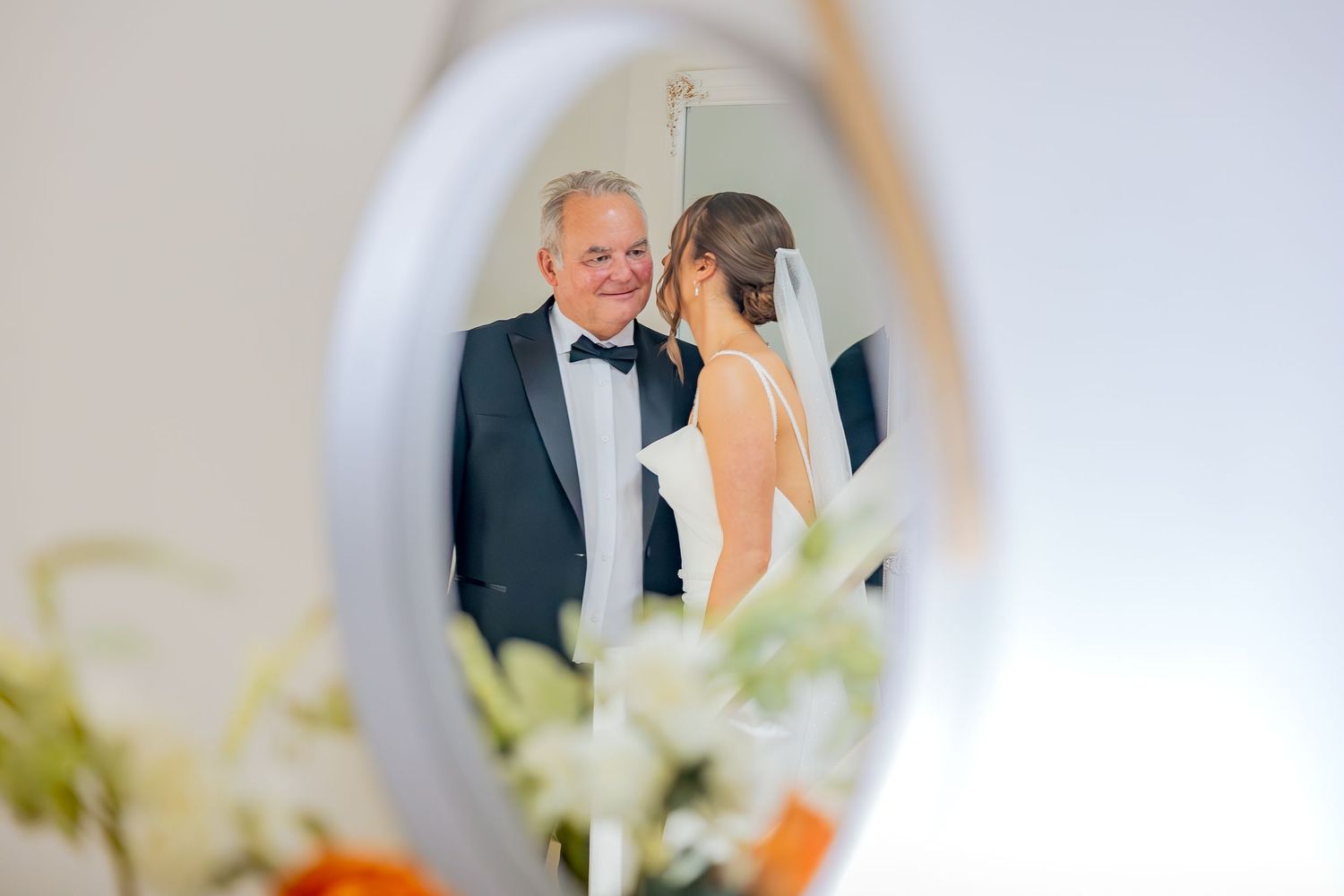
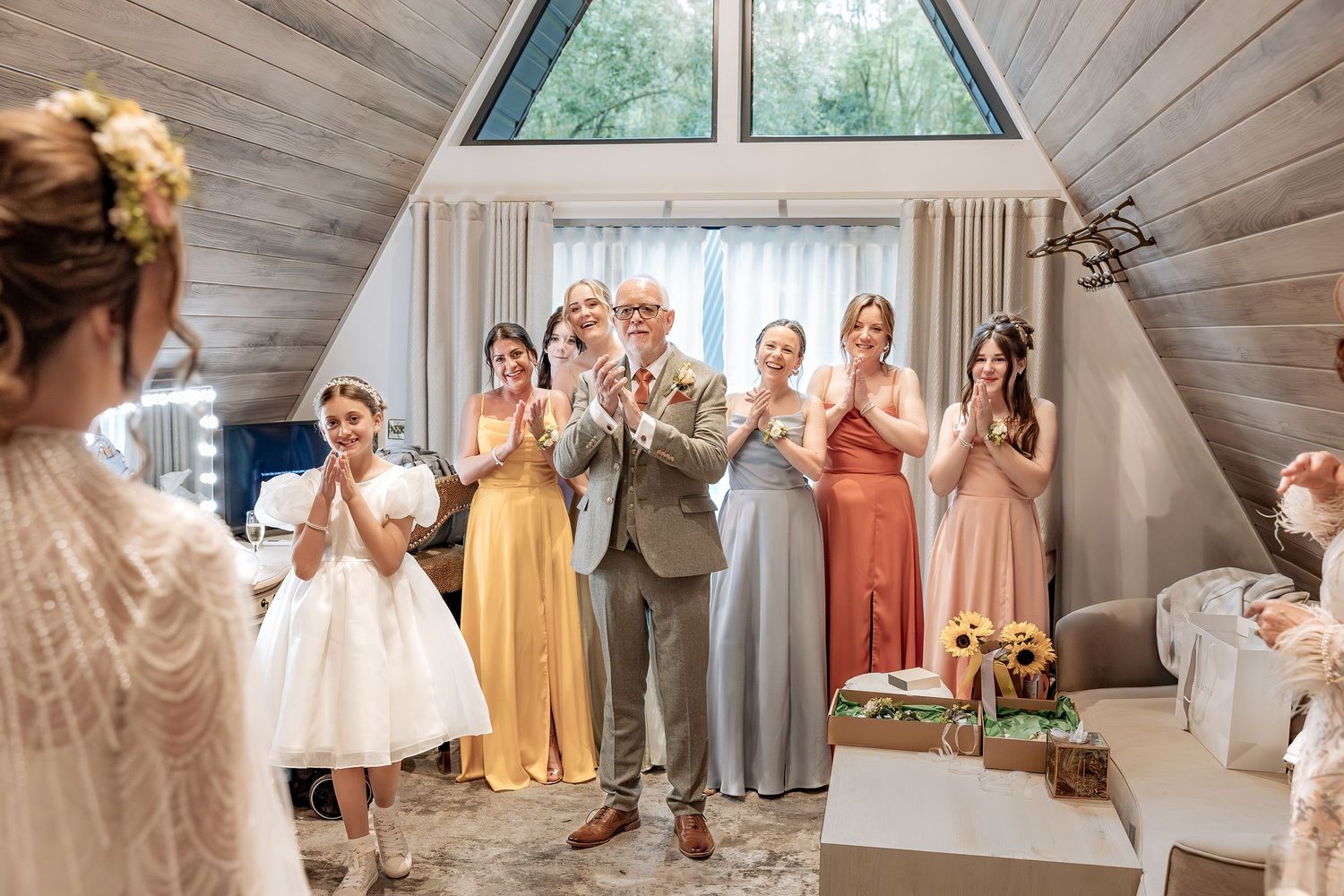
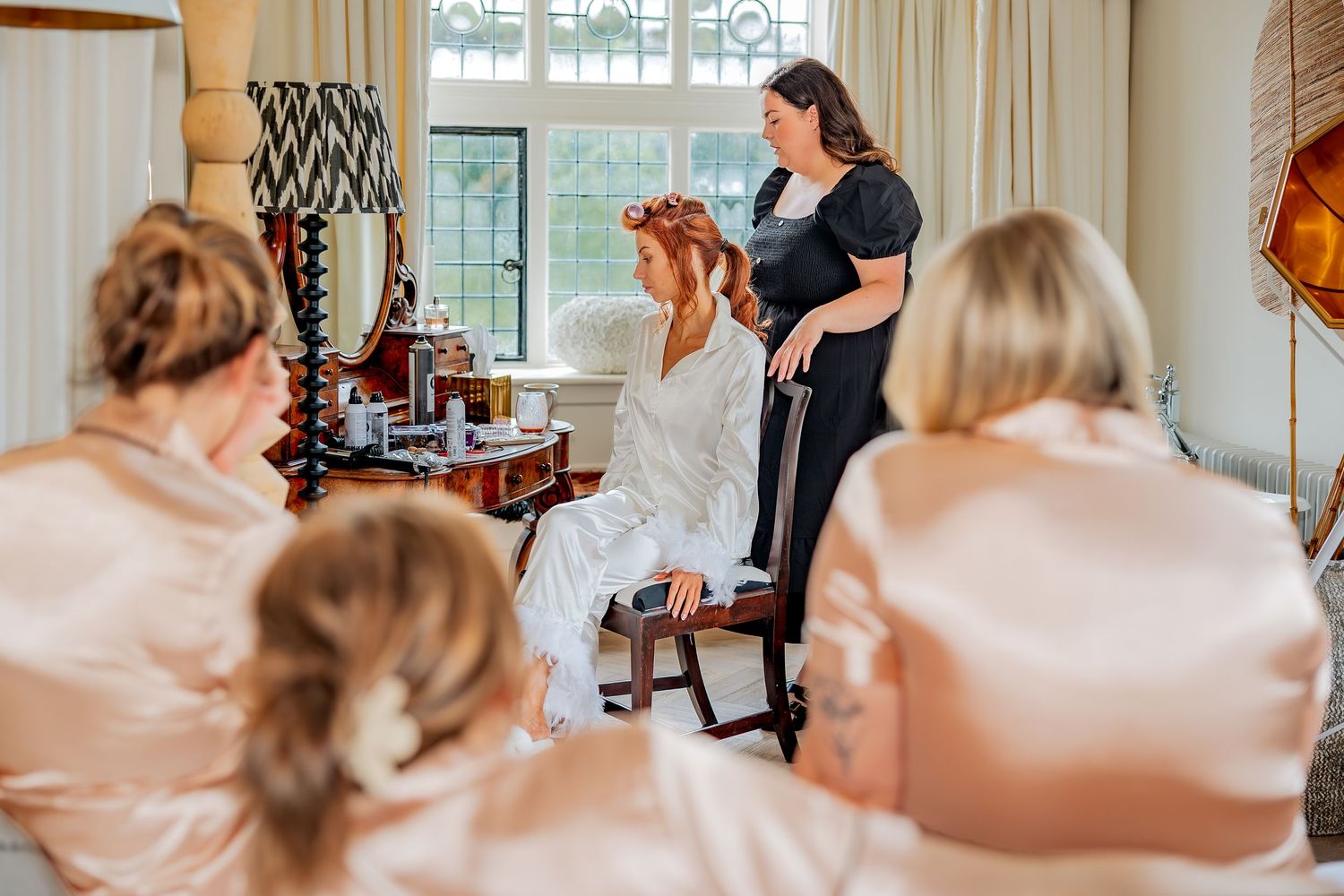
Morning preparations are often quieter, more emotional and more honest than people expect.
I’m looking for:
• the atmosphere in the room (nerves, excitement, calm)
• natural interactions with family and friends
• details that matter because they’re part of your story (not staged flat-lays)
• the small moments you’ll barely notice at the time
I don’t direct the morning.
I let it unfold naturally, stepping in only if you need calm guidance.
The ceremony: where I am and what I’m looking for
During the ceremony, documentary coverage is all about emotion and reaction.
I’m typically positioned so I can see:
• your entrances
• faces during the vows
• hands, glances, small gestures
• guest reactions (parents, friends, laughter, tears)
The best ceremony photos usually aren’t the obvious ones.
They’re the quiet moments that happen naturally — and disappear quickly.
My aim is to capture the feeling of it, without interrupting it.
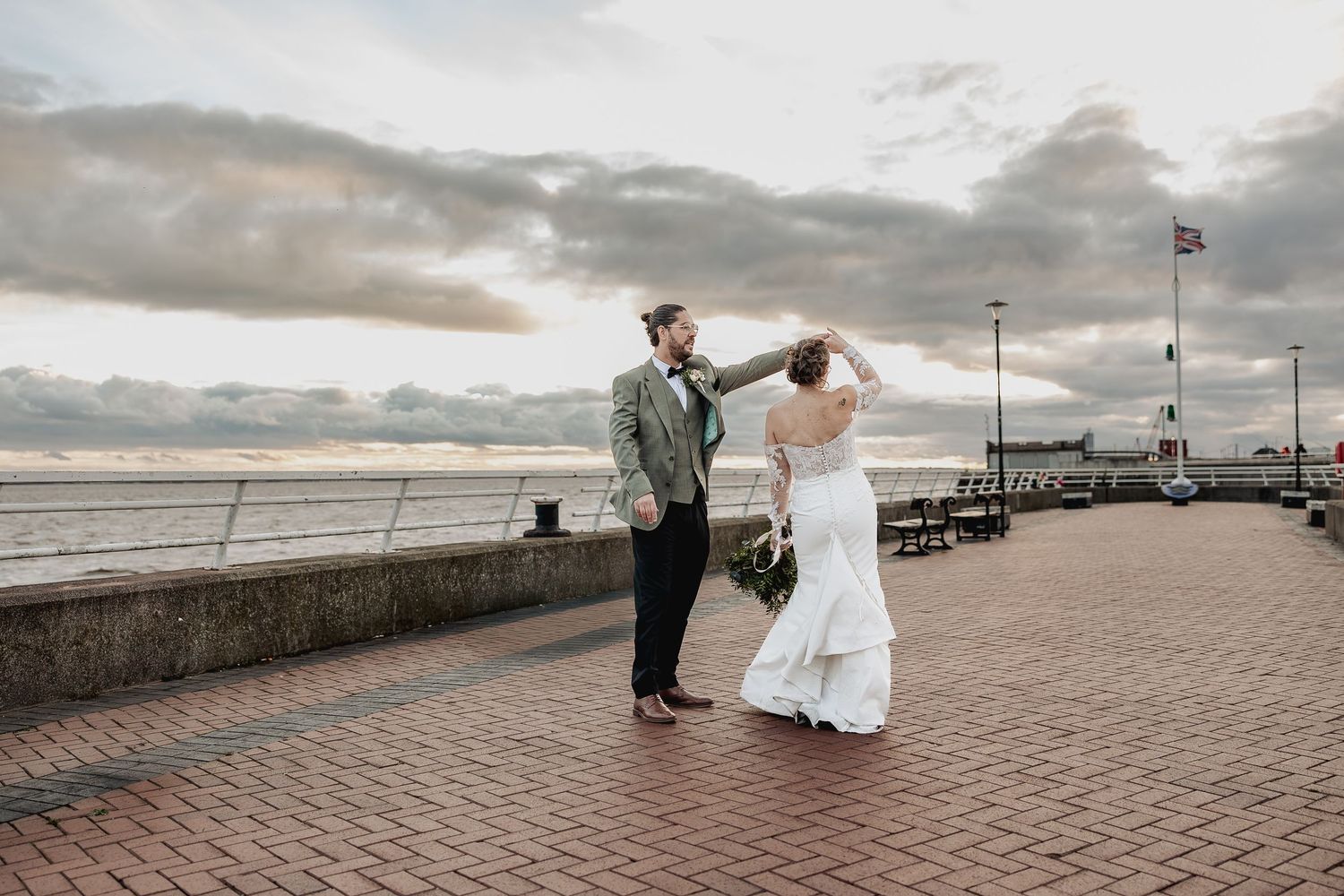
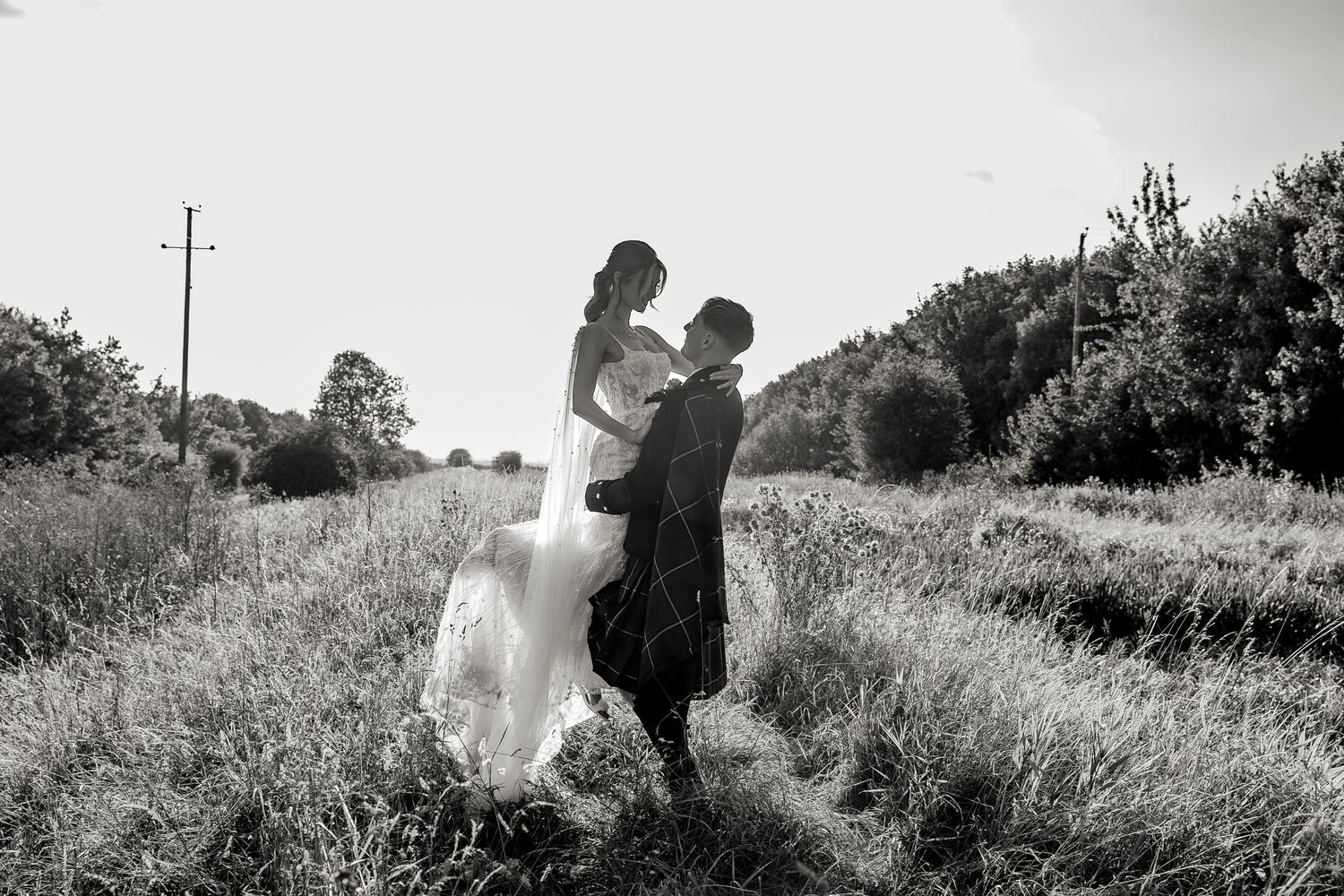
Couple photos without the awkward posing
This is the bit most couples worry about.
Documentary doesn’t mean “no couple photos.”
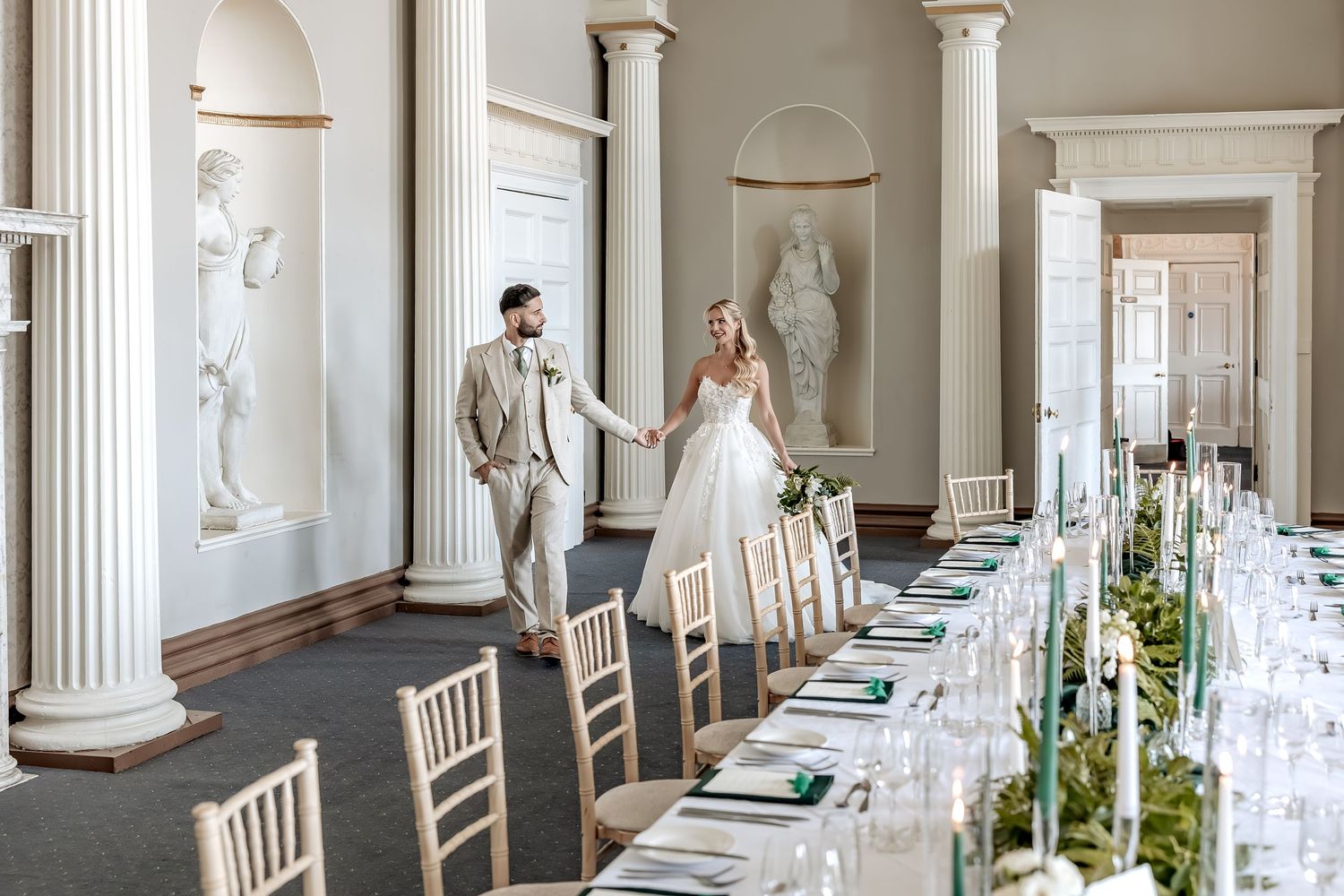
It means the couple photos are relaxed and natural, with no stiff posing or long photoshoots.
What it usually looks like:
• 10–20 minutes (sometimes less)
• a calm walk somewhere nearby
• gentle prompts if you need them
• space to breathe and be yourselves
You don’t need to “know how to pose”.
You just need to be together — and I’ll guide the rest lightly.
Drinks reception + speeches: the real story happens here
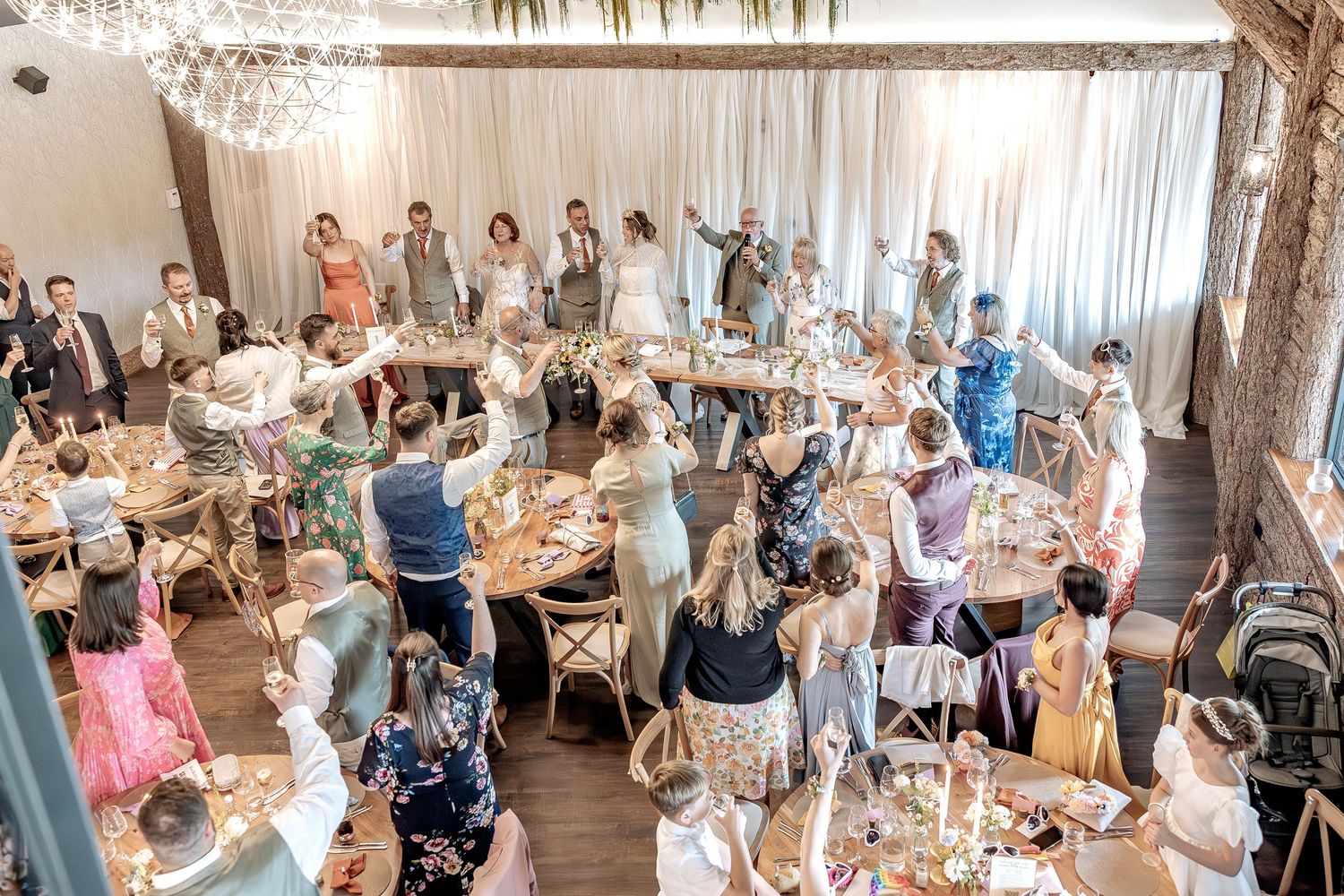
If the ceremony is the emotional core, the drinks reception and speeches are where the story becomes social.
This is where documentary photography shines because people relax.
I’m focusing on:
• hugs, reunions and conversation
• laughter and reactions during speeches
• little moments between guests
• the way your day feels in the middle of it
This is often where couples later say:
“I didn’t even realise that happened — I’m so glad you caught it.”
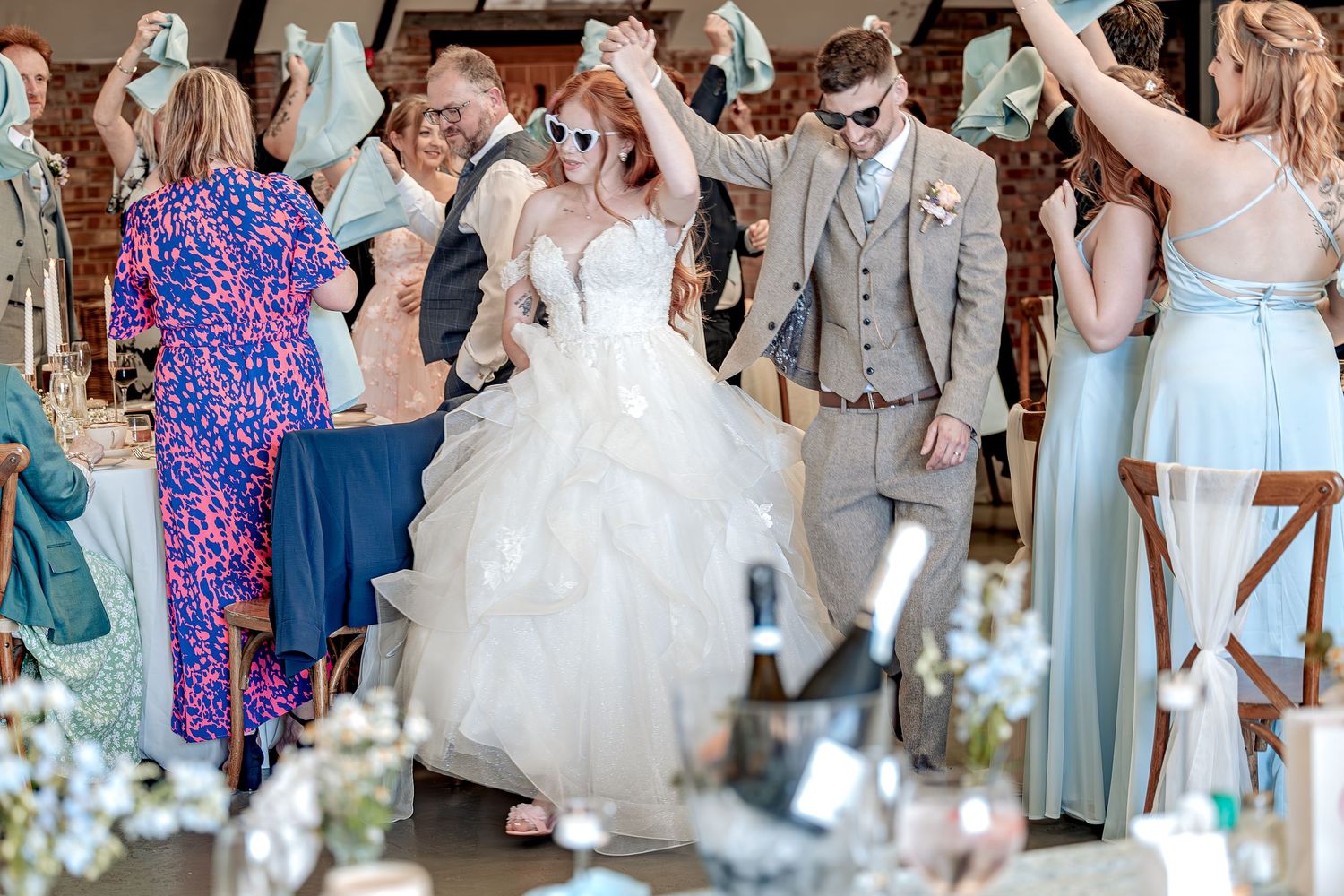
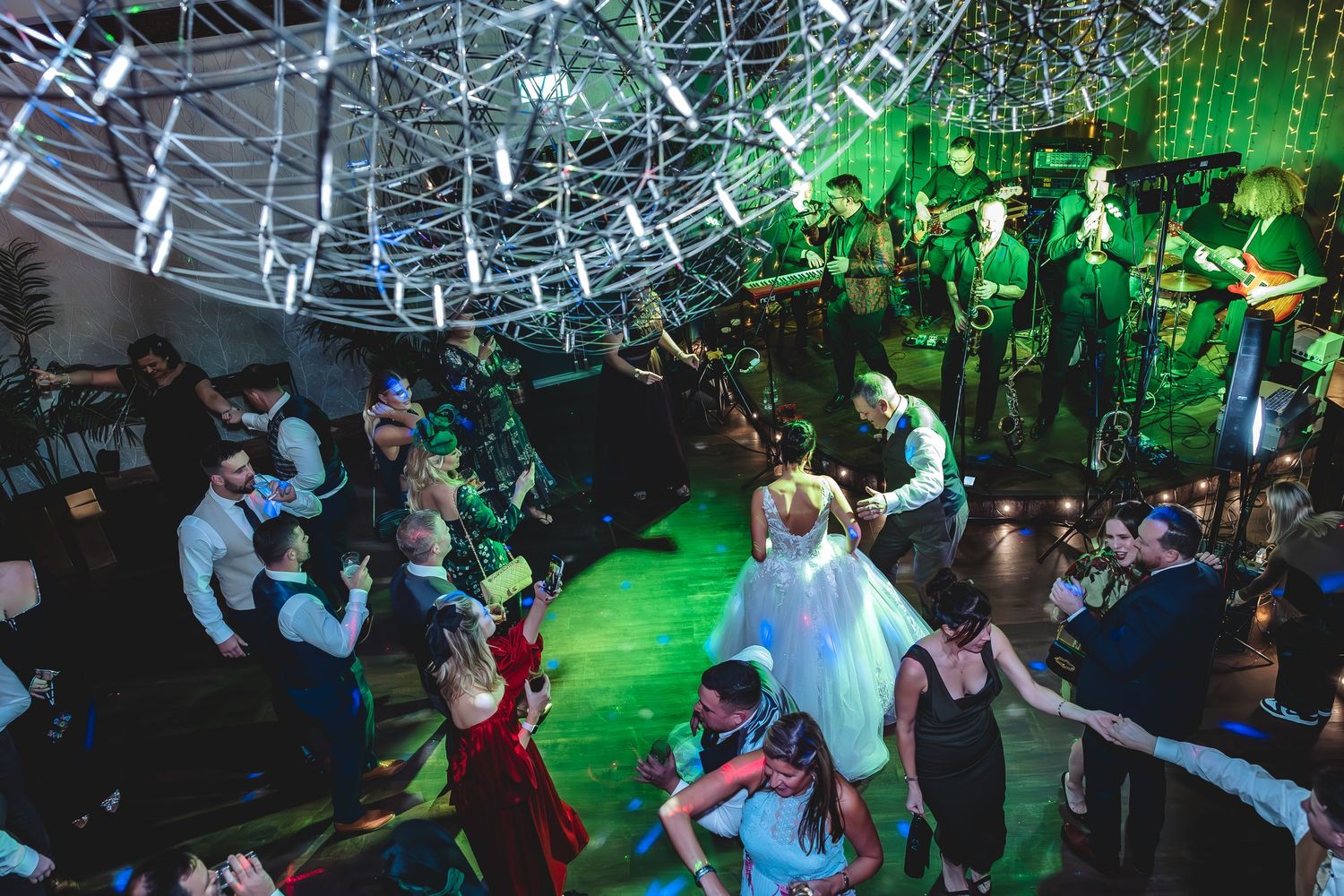
Evening: dancefloor, energy and atmosphere
The evening is about energy — and documentary coverage is perfect for capturing it without forcing anything.
I’m looking for:
• atmosphere as the lights change and the mood shifts
• genuine celebration rather than staged dancefloor shots
• movement, laughter, closeness and chaos (the good kind)
• the moments that show how it felt, not how it was “supposed” to look
What documentary wedding photography is not
It’s also helpful to be clear about what documentary photography isn’t.
It’s not:
• constant posing all day
• stopping the day every 20 minutes for photos
• staging moments that didn’t really happen
• forcing awkward interactions “for the camera”
It’s a calmer, more natural experience — designed for couples who want their wedding to feel real.
Is documentary wedding photography right for you?
Documentary wedding photography is a great fit if you:
• want natural photos and genuine emotion
• don’t love posing
• care more about real moments than perfection
• want to stay present and enjoy your day
If that sounds like you, you can read more about my approach as a documentary wedding photographer in the UK here:
👉 https://www.3rdeyeimages.co.uk/documentary-wedding-photographer-uk/
And if you’d like to check availability or ask anything, you can get in touch here:
Frequently asked questions about Documentary photography
Is documentary wedding photography completely hands-off?
No. While documentary photography focuses on real moments as they happen, I gently guide and support couples during their portrait time so you feel comfortable, natural and not awkward. The rest of the day is photographed quietly and unobtrusively.
How long does documentary wedding photography coverage usually last?
Documentary coverage can be anything from a short ceremony-only booking to full-day coverage, depending on how you would like your story documented. Most couples choose full-day coverage so the entire flow of the wedding is captured naturally.
Will we still have couple photos with documentary wedding photography?
Yes. You will still have relaxed couple photographs. These are short, natural sessions with gentle guidance rather than formal posing, allowing you to stay present and enjoy your day.
Is documentary wedding photography right if we don’t like being photographed?
Very often, yes. Documentary photography is designed for couples who feel uncomfortable in front of the camera, as the focus is on real interaction and natural moments rather than staged photos or constant direction.
