Should we have an unplugged wedding ceremony?
Many couples consider having an unplugged wedding ceremony, but aren’t always sure whether it’s necessary or how it might affect their day.
An unplugged ceremony simply means asking guests to put phones and cameras away during the ceremony so everyone can be fully present in the moment.
For some couples, this feels important. For others, it may not matter at all.
This guide explains what an unplugged ceremony really means, and how it fits into a relaxed, documentary wedding day.
What an unplugged ceremony actually is
An unplugged ceremony is not about control or strict rules.
It is simply a gentle request that guests stay present without recording the moment themselves.
Usually this is communicated through:
• a short announcement from the celebrant
• a small sign at the ceremony entrance
• wording in your order of service
The intention is to create space for connection rather than distraction.
Why some couples choose an unplugged ceremony
Couples often choose this approach because they want:
• guests fully engaged in the ceremony
• fewer distractions in photographs
• a more emotional and intimate atmosphere
• people experiencing the moment rather than viewing it through a screen
For many couples, the ceremony is one of the most meaningful parts of the day, so protecting that space feels important.
Why some couples choose not to
There is no right or wrong decision.
Some couples are completely comfortable with guests taking photos.
Others enjoy seeing their day shared in real time.
If this feels relaxed and natural to you, there is no reason you must have an unplugged ceremony.
The most important factor is whether it aligns with how you want the moment to feel.
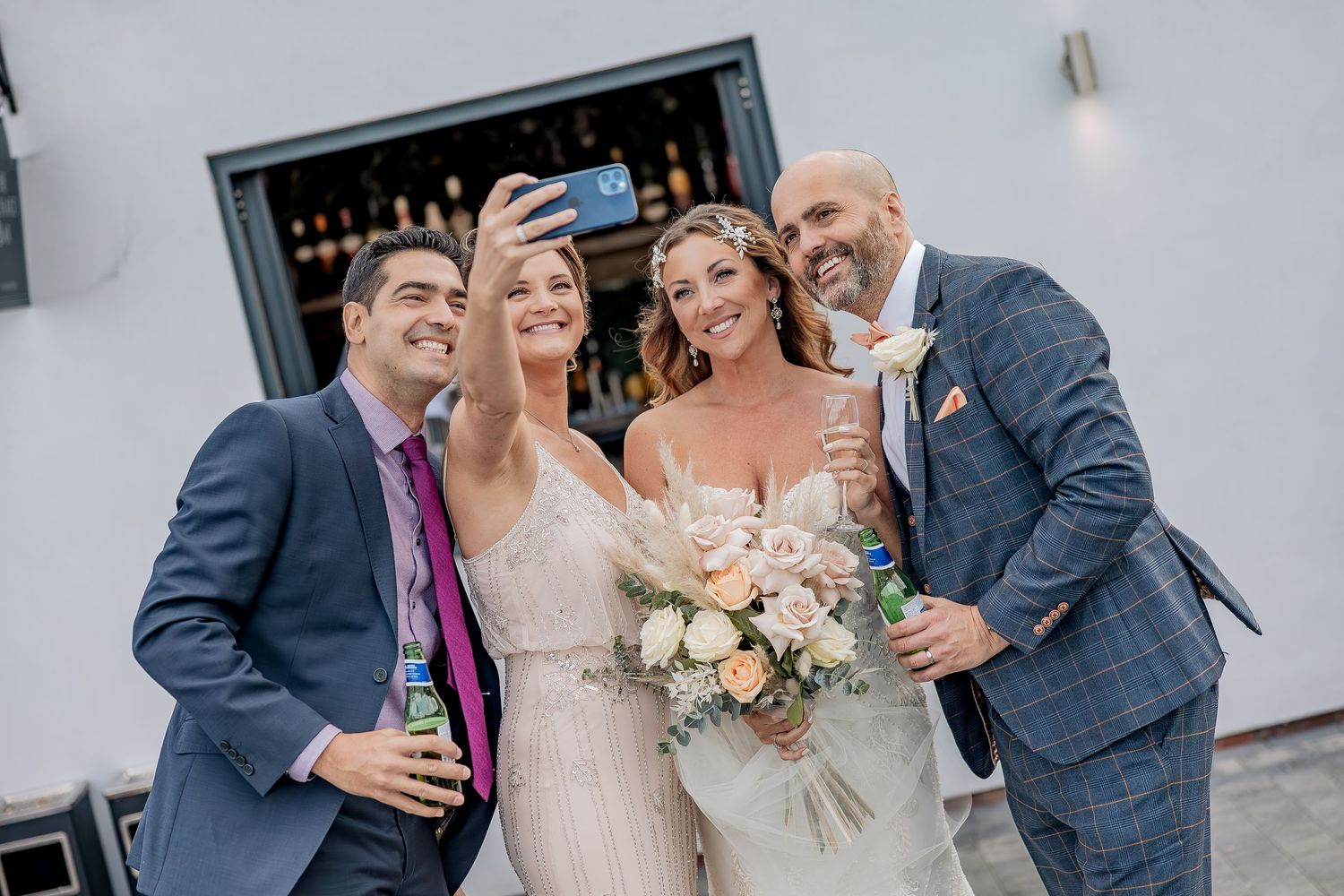
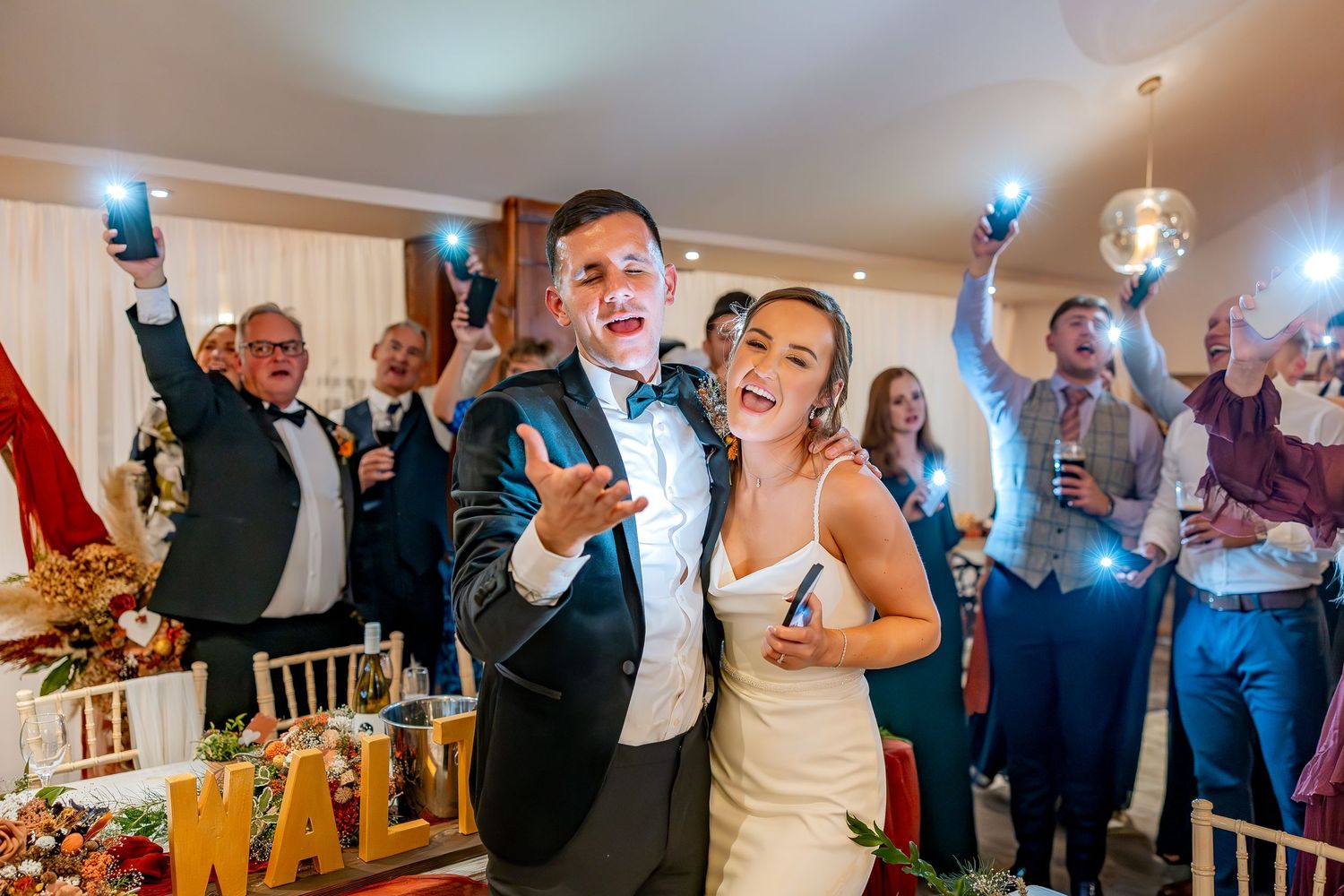
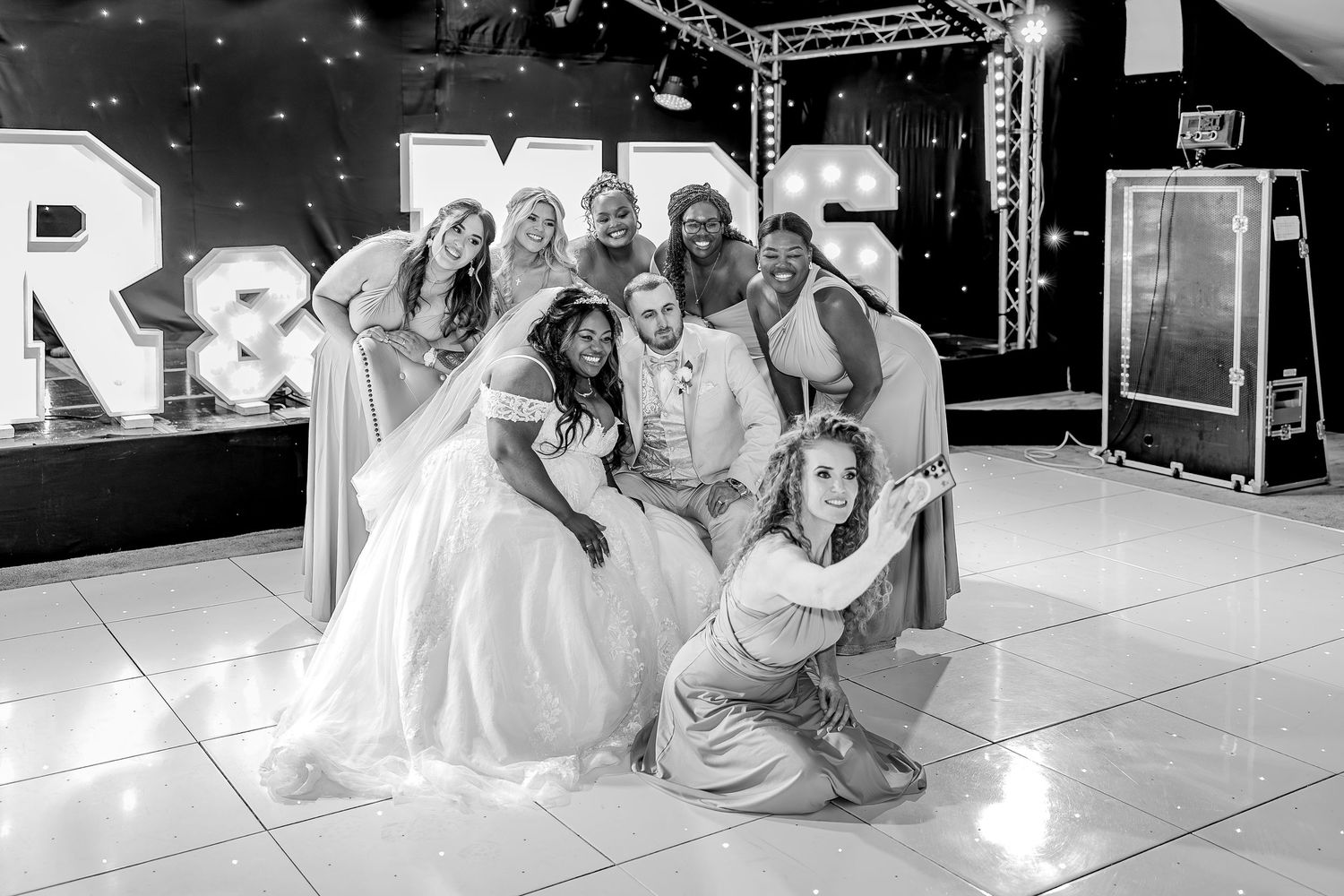
How phones affect the ceremony experience
Phones don’t just appear in photographs — they change how people experience moments.
When someone is recording, their attention shifts from feeling to observing.
Without phones, guests are often:
• more emotionally present
• more connected to the atmosphere
• more engaged with what is happening
This often creates a stronger shared experience for everyone involved.
Does an unplugged ceremony help documentary photography?
Yes — but not for the reasons people often assume.
Documentary photography is not about removing phones for the photographer’s benefit.
It’s about allowing moments to unfold naturally.
When guests are fully present, reactions tend to be more genuine, emotional and connected.
That authenticity is what documentary photography quietly captures.
How to ask guests for an unplugged ceremony
(without it feeling strict)
The key is tone.
A gentle request works far better than a rule.
For example:
“We invite you to be fully present with us during our ceremony. Please keep phones and cameras away so we can all share this moment together.”
Most guests respond positively when they understand the intention behind the request.
Is an unplugged ceremony right for your wedding?
The decision comes down to how you want your ceremony to feel.
If you value presence, connection and shared experience, an unplugged ceremony can support that beautifully.
If you prefer a more relaxed, informal atmosphere where guests capture their own memories, that is equally valid.
If you’re planning a wedding focused on real moments and natural interactions, you can read more about how I work as a
documentary wedding photographer in the UK here:
https://www.3rdeyeimages.co.uk/documentary-wedding-photographer-uk/
And if you’d like to talk through your plans, you can get in touch here:
Frequently asked questions about unplugged wedding ceremonies
Do guests mind unplugged wedding ceremonies?
Most guests respond positively when the request is explained kindly. Many people appreciate the opportunity to be fully present rather than thinking about taking photos.
Will guests still take photos after the ceremony?
Yes. Many couples choose an unplugged ceremony but allow photos during the rest of the day, which keeps the ceremony focused while still allowing guests to capture memories later.
Does an unplugged ceremony improve wedding photos?
It can reduce visual distractions and allows guests to be more emotionally present, which often creates more natural reactions and moments in photographs.
You may also find this helpful:
